
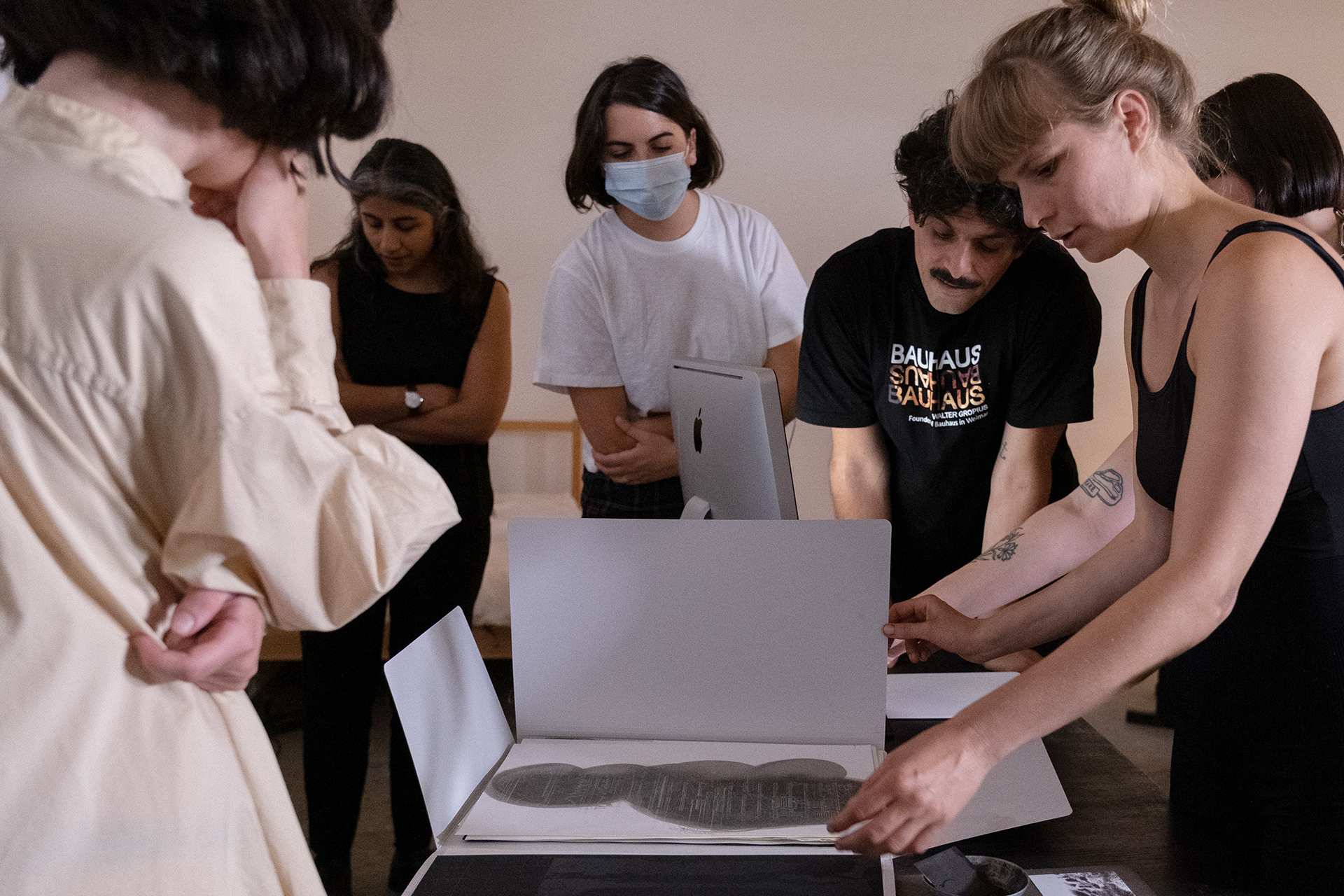
Image credit: Chiara Catalini
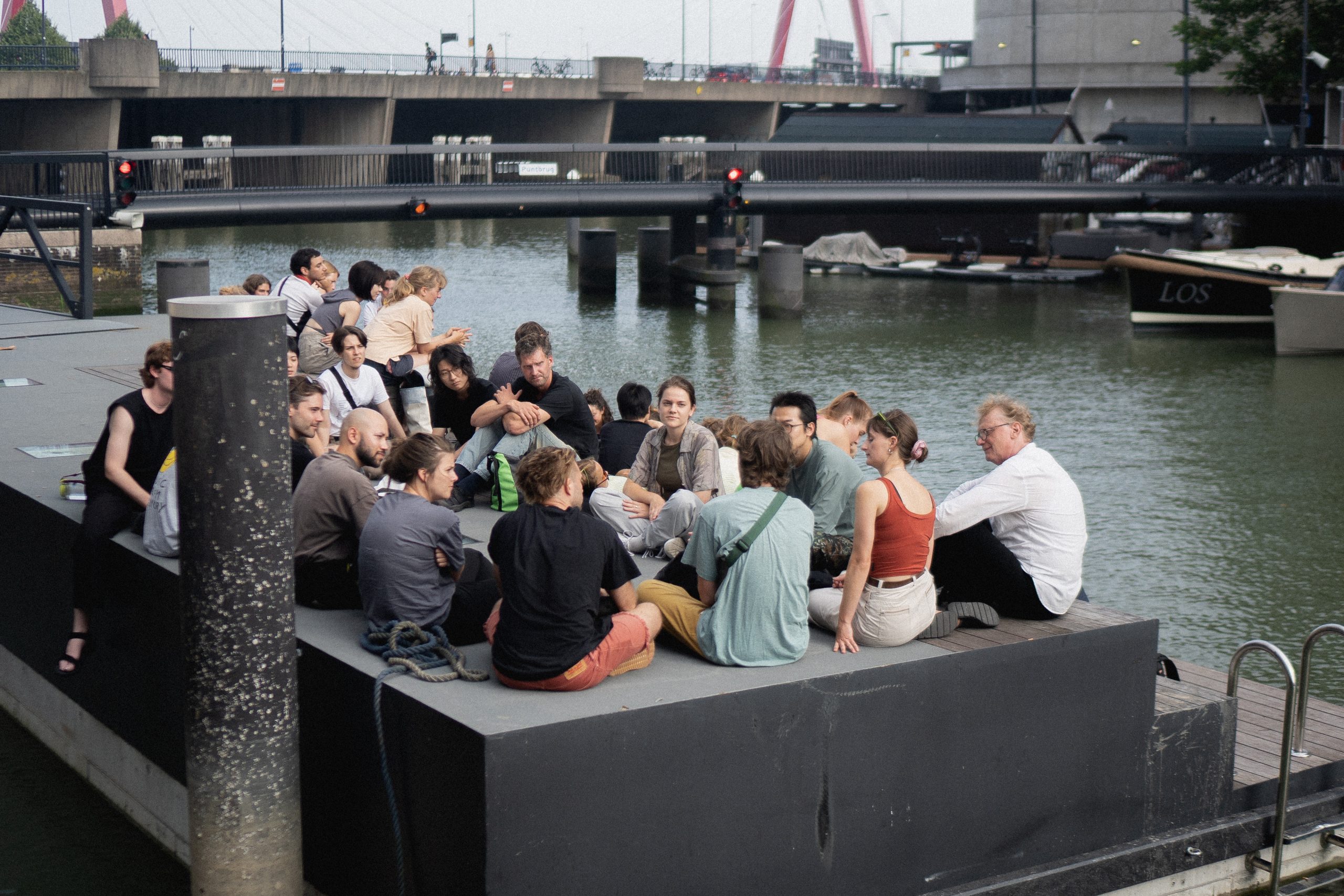
Master Interior Architecture: Research + Design, MIARD at the Piet Zwart Institute is an international post-graduate program that is part of the Willem de Kooning Academy in Rotterdam. MIARD is a two-year multidisciplinary course with a focus on practice-based research and spatial strategies in the field of interior architecture. We invite you to visit our digital archive and explore the work produced in the program.
Interior architects face a shifting planet enmeshed in new realities, technologies, socio-political, environmental and economic challenges; consequently, practice today calls for different means, in order for practitioners to be adaptable, resourceful and seek out future forms. At MIARD, design is a form of research that circulates across spatial dimensions with numerous pathways and scales —from local issues to global changes, from objects to architecture and beyond. The interior is an emergent and multilayered site of research, cultural analysis, critical reflection and space of conjecture. By merging spatial practice and research with critical strategies in the program, students develop their self-directed, practice-based research positioned amongst cultural and environmental urgencies. The program engages with a range of topical themes, methods, tools, and formats to think critically about practice and modes of production in the context of the (built) environment amid a theoretical and historical framework. Our multidisciplinary and imaginative approach to the development of a creative practice produces a learning environment that welcomes diversity, originality, and conversation amid intellectual and professional rigor.
Throughout the two-year program, students work with a community of professionals — architects, designers, artists, researchers, curators, editors, publishers, graphic designers, interaction designers, writers and educators. The international expertise and varied disciplinary backgrounds enrich our education and directly connect students to a global research and professional culture. Our faculty provides a stimulating learning context in the development of diverse creative practices and professionalization. They work closely with international students that join us from around the globe with different professional, educational and cultural backgrounds. Together, teachers, students, and external professionals create a vibrant and respectful community where we learn and work with each other, engage in conversation, and exchange ideas, which is an aspect of our dialogue-based learning approach.
We make things public and engage with broader communities through a mix of activities – guest talks, studio visits, workshops, and intimate conversations coupled with excursions, collaborations, and exhibitions. We invite people to join us at MIARD from diverse practices to talk about their projects and work with our students. These activities enrich our community, a student’s professional network, and educational experience. In recent years, we have participated in national and international professional events and fostered collaborations with; Het Nieuwe Instituut, Lisbon Architecture Triennale, Salone del Mobile Milano, Kunstinstituut Melly, Flevoland Art Weekend, deSingel Internationale Kunstcampus, and Dutch Design Week, amongst others. The work of students and alumni has been recognized and published by e-flux Architecture, Metropolis M, Domus, Dezeen, DAMN Magazine, and Archinect, to name a few. These experiences allow one to make informed decisions about the circulation and communication of their work across different contexts and formats to professional and general audiences.
MIARD is located in a modern building with a wide selection of academic, production facilities, and resources in the center of Rotterdam: a culturally diverse and creative city with vibrant communities — recognized for its dynamic cultural production in architecture, design, and the arts. For more specific information about the program, curriculum, practices, and professional activities visit our research archive here.
News

BOOKS: Spatial Tales of Unearthly Critters
Kunstinstituut MellyBOOKS: Spatial Tales of Unearthly CrittersPerformance by Gaia D’ArrigoFriday 19 January 2024, 6–8 pm Join us for a BOOKS presentation, together with students of the Master Interior Architecture: Research and Design [MIARD] program at the Piet Zwart Institute, Willem de Kooning Academy. This event launches Spatial Tales of Unearthly Critters, a publication emerging out of […]
OPEN DAY – February 10th, 2024
Join us for the Piet Zwart Institute (PZI) online open day which will take place on Saturday February 10, from 10am–3pm. Throughout the day, both the Willem de Kooning Academy (WdKA) and the Piet Zwart Institute (PZI) master studio spaces will be open to the public. It is a day when many PZI staff and students are […]
Master Research Awards 2023
Master Interior Architecture Research + Design: Maya Kumari Statement from the artist: The Thar Desert, situated in northwest India’s Rajasthan, stands as one of the world’s significant hot deserts with a dense population. The geography of the desert villages becomes a site for spatial inquiry, or rather enquiry into what is spatial and how it […]
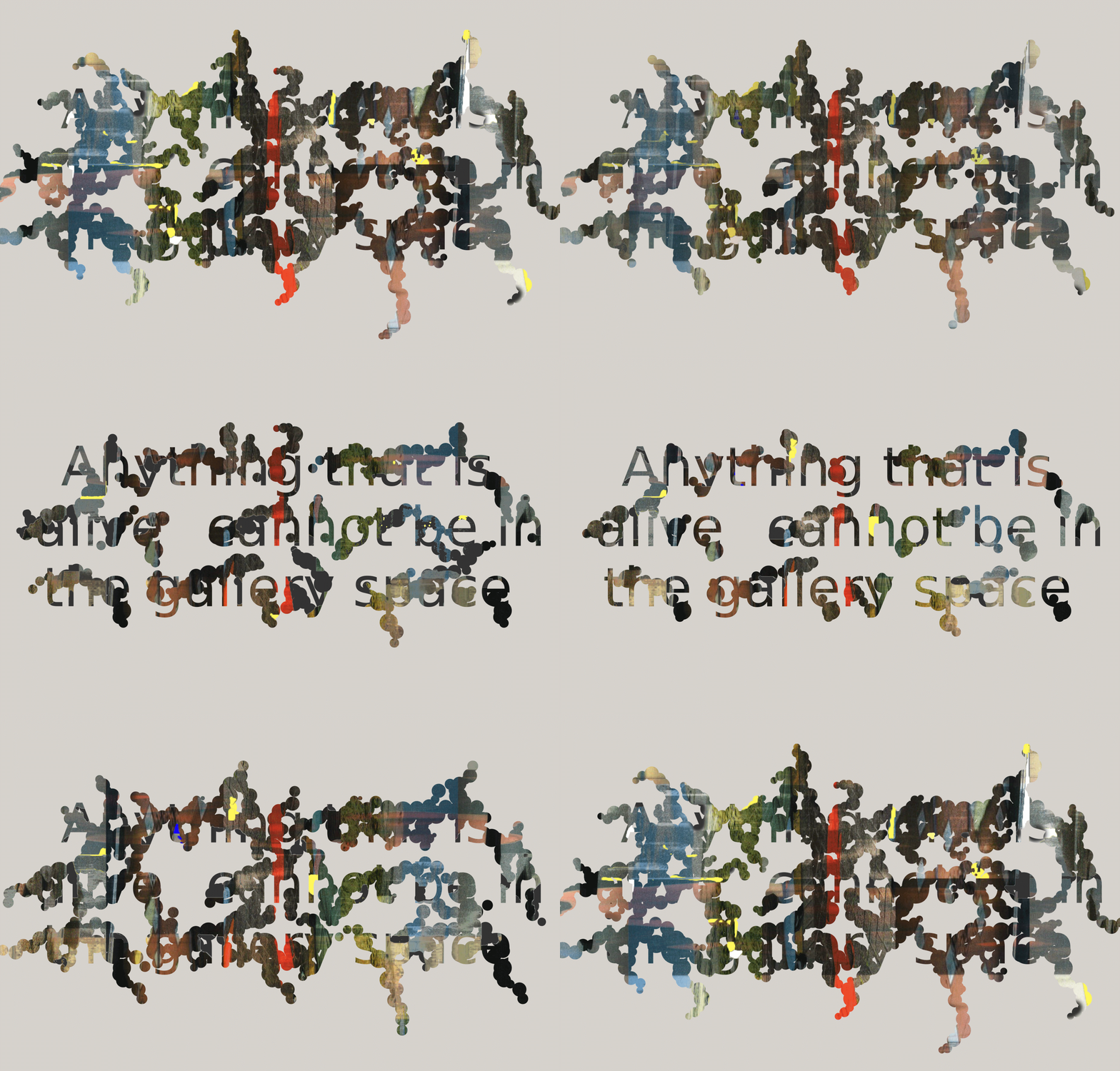
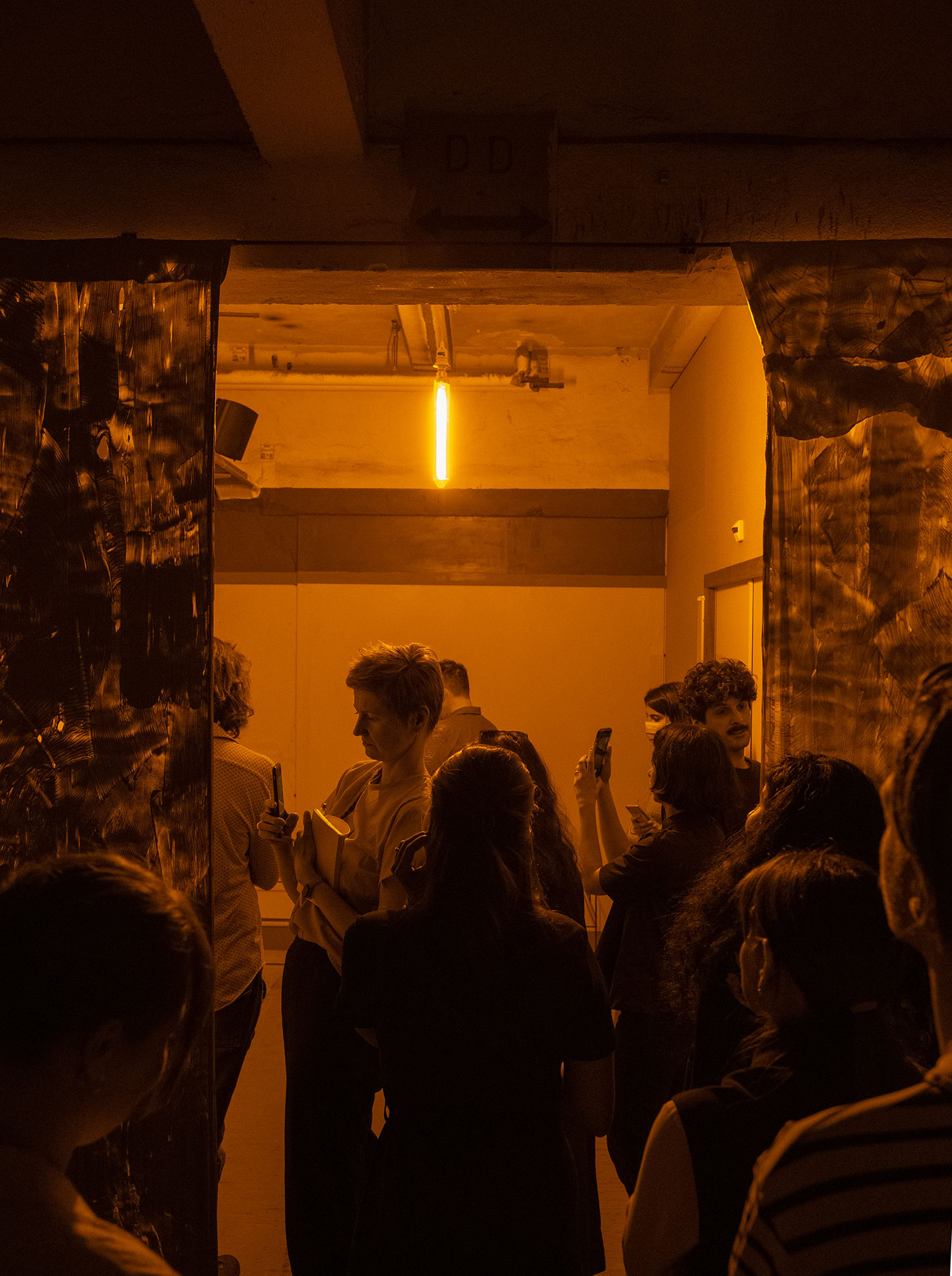
MIARD’23 Graduate Exhibition: Anything that is alive cannot be in the gallery space
Anything that is alive cannot be in the gallery spaceMIARD’23 graduate exhibitionJuly 6–12, 2023 Nieuwe InstituutMuseumpark 25,3015 CB RotterdamThe NetherlandsNieuwe Instituut miard.pzwart.nlInstagram / Instagram Public opening: July 6, 19:00 – 22:00General opening hours: Daily from 10:00 – 17:00 (closed Mondays)Events program: read belowMusic: princess.k.dj / central.diskoDrinks: Nieuwe Café With works by: Isabella Fiorante, Ruth Gonzalez, […]
Graduation Shows 2023
From June 29–July 14, 2023 all the Master programs will be exhibiting a wide variety of work from students of Master Design, Education in Arts, Experimental Publishing, Fine Art, Interior Architecture: Research + Design, and Lens-based Media. The Graduation Shows will take place at various venues through the city of Rotterdam. See below for the […]
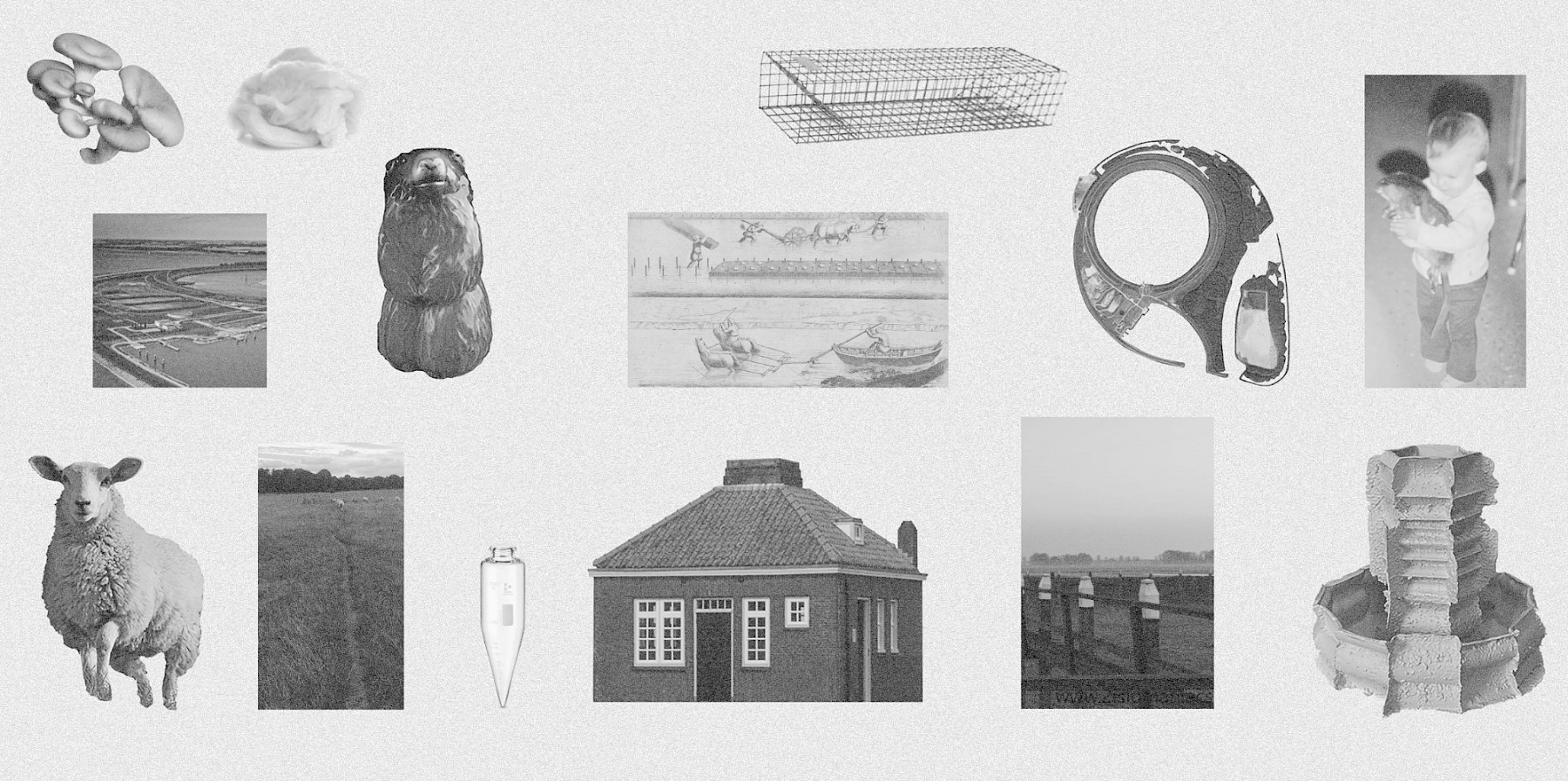
Domestic Territories at Flevoland
This group exhibition by first year students brings a selection of works and works-in-progress to the Polderland Garden of Love and Fire. Emerging from “Domestic Territories,” an intensive 6-month research project carried out across Flevoland and led by Studio Ossidiana. The exhibition explores the post-natural condition of the Netherlands’ youngest province. Join us and discover […]
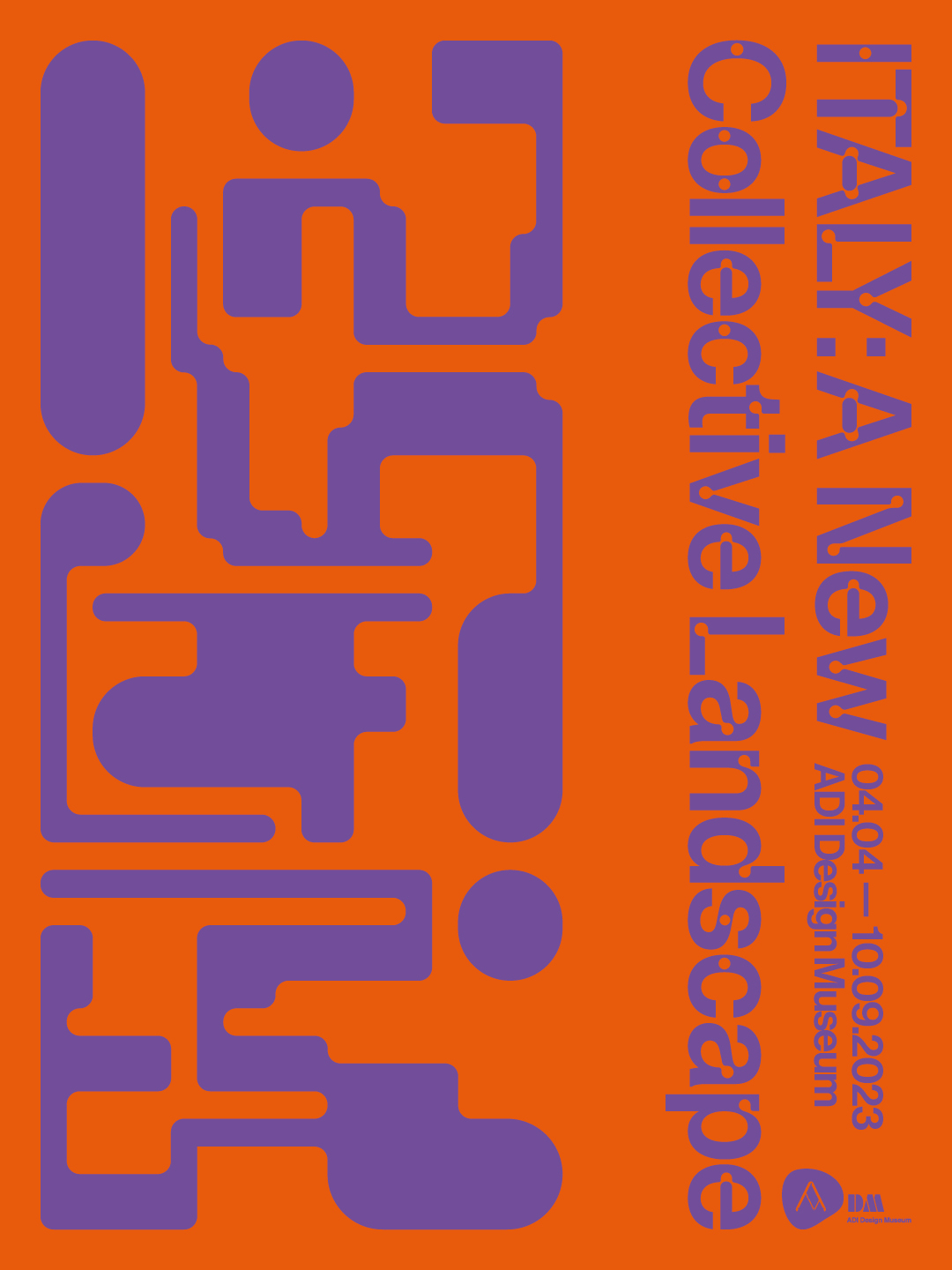
2022 Alumna Shiila Infriccioli, Ips Typographus at ADI Design Museum for ITALY: A New Collective Landscape
Exhibition duration: 04.04 — 10.09.2023 ITALY: A New Collective Landscape The challenges facing us at this global moment and the ongoing ecological and social transformations are the starting point for the work of young Italian designers presented by Italy: A New Collective Landscape. Produced by the ADI Design Museum, the exhibition is curated by Angela […]
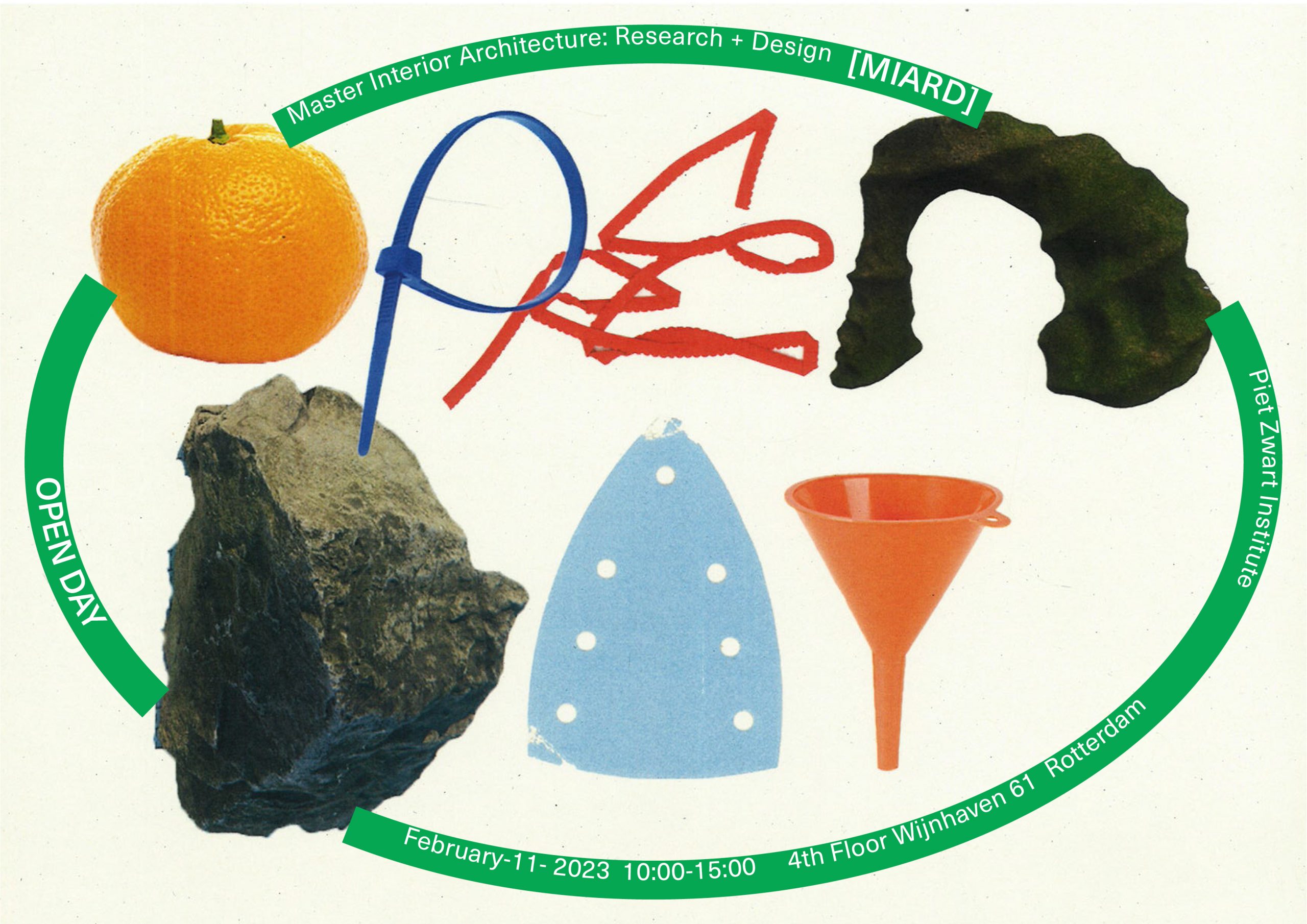
MIARD Open Day – Feb 11, 2023
Location: Wijnhaven 61, fourth floor, MIARD studios We are pleased to invite you to join us during our annual Open Day at MIARD. Our Open Day this year is in-person. During the day you have a chance to learn about the program, ask questions, and speak with the Course Director and Coordinator, tutors, students, and alumni. […]
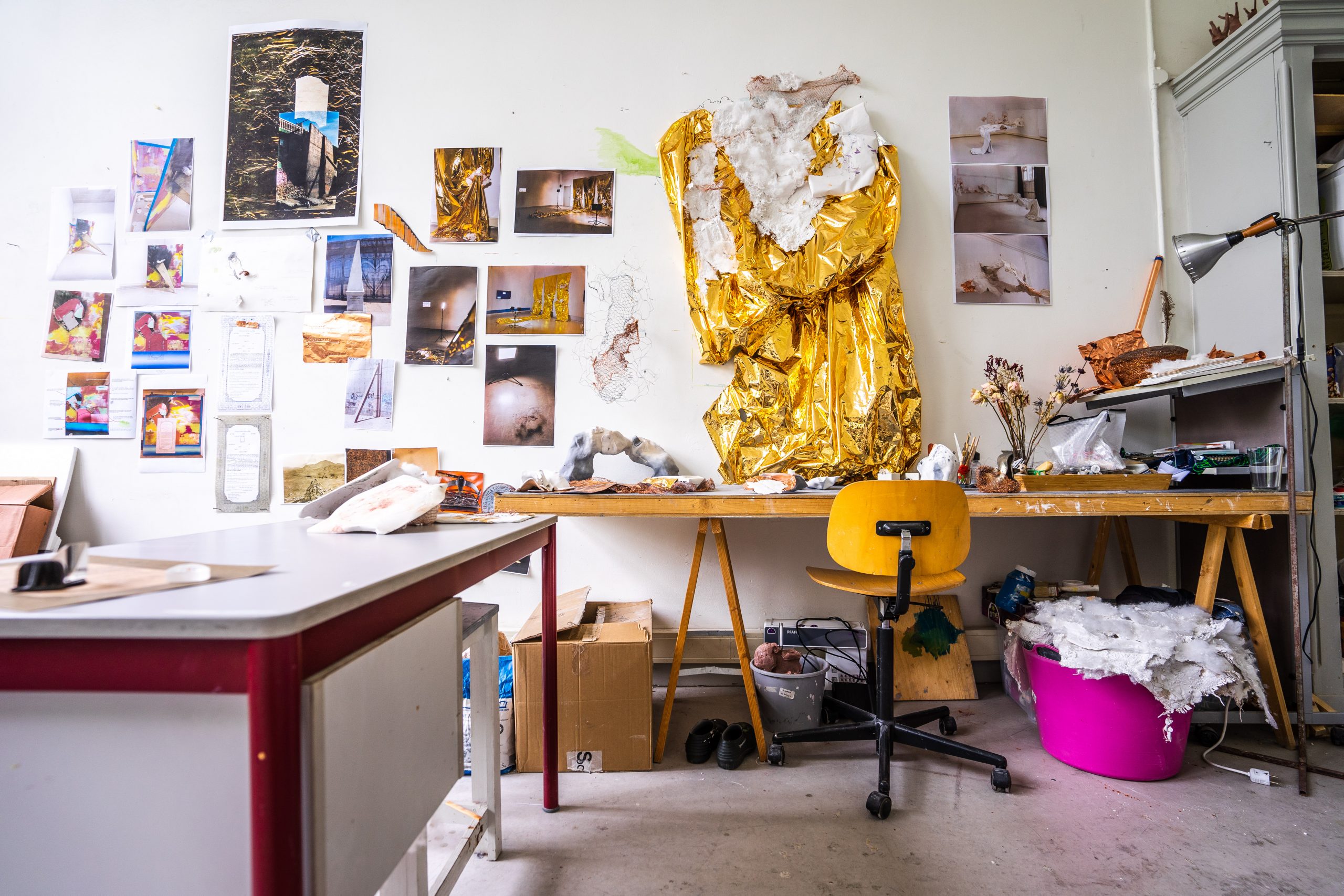
Open Day – February 11, 2023
Join us for the Piet Zwart Institute (PZI) online open day which will take place on Saturday February 11, from 10am–3pm. Throughout the day, both the Willem de Kooning Academy (WdKA) and the Piet Zwart Institute (PZI) master studio spaces will be open to the public. It is a day when many PZI staff and students are […]
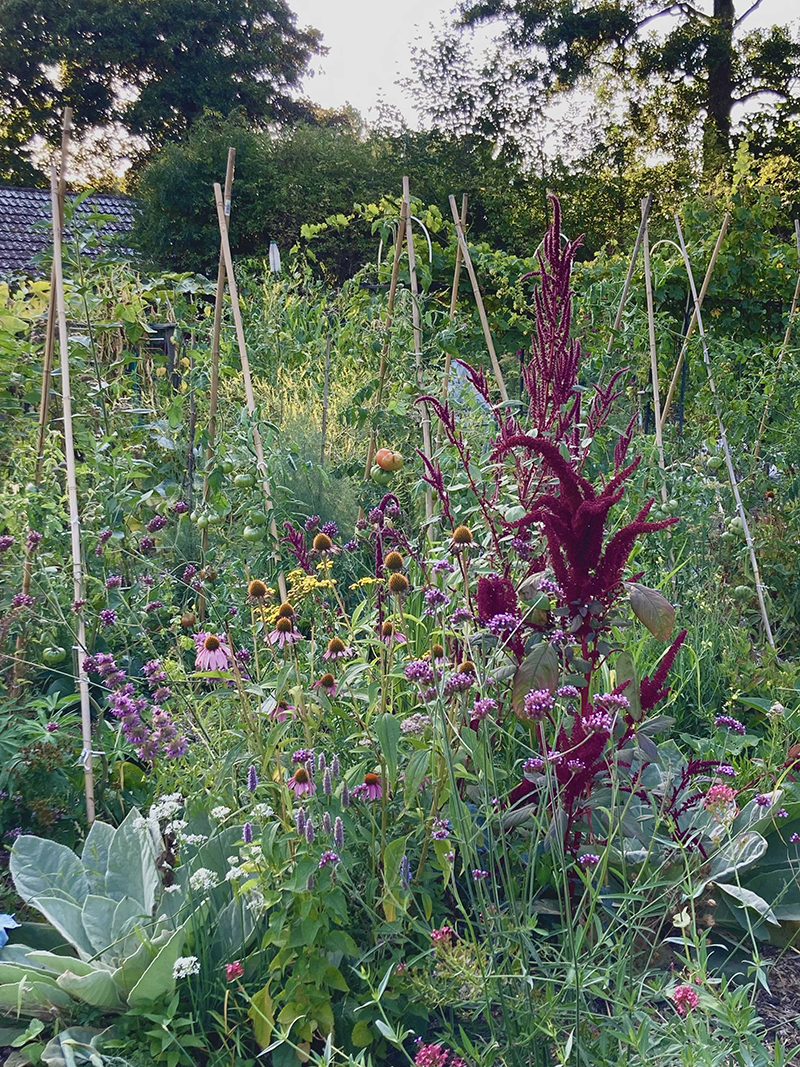
Site-Writing: The Grid and its Unruly Edges
This workshop will introduce the concept of site-writing based on two locations in Rotterdam, Hof Van Noord and the Van Nelle Factory building. Site-writing is the analysis of space based on the body’s perception. The term was coined by Jane Rendell in Site-Writing: The Architecture of Art Criticism (London: Bloomsbury, 2010.) The technique is centered on a heightened attention […]
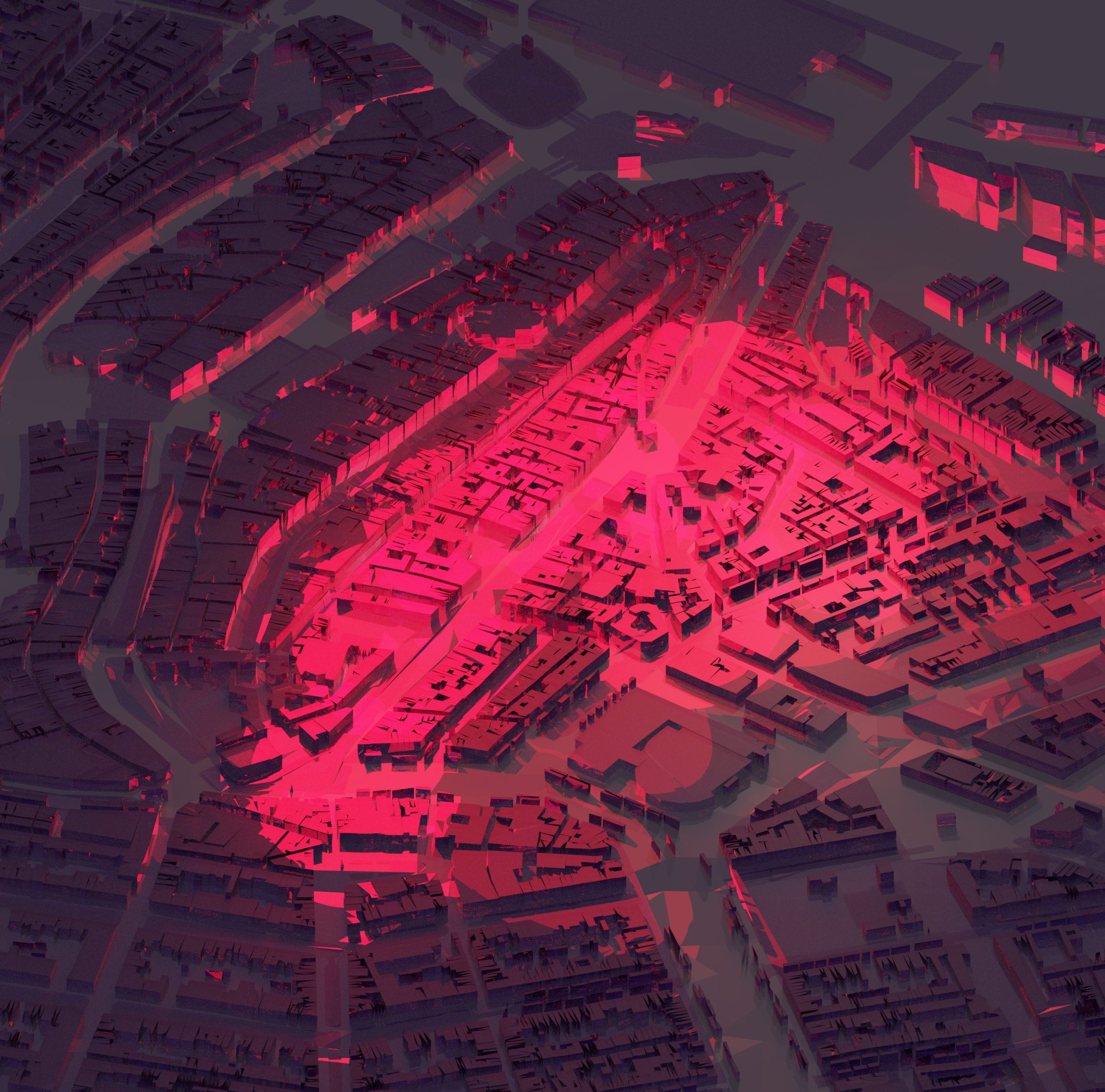
MIARD 2021 Alumni receive Architecture Grant Scheme, Stimuleringsfonds
MIARD 2021 Alumni Rachel Refael, Milena Sekulić and Gavin Oliver O’Leary have received the Architecture Grant Scheme from Stimuleringsfonds. “Refael argues that our cities are faced with a progressive marginalization of sex-related places in the city. This is pushing queer culture and the sex work industry to the outskirts of the city, with gentrification happening […]
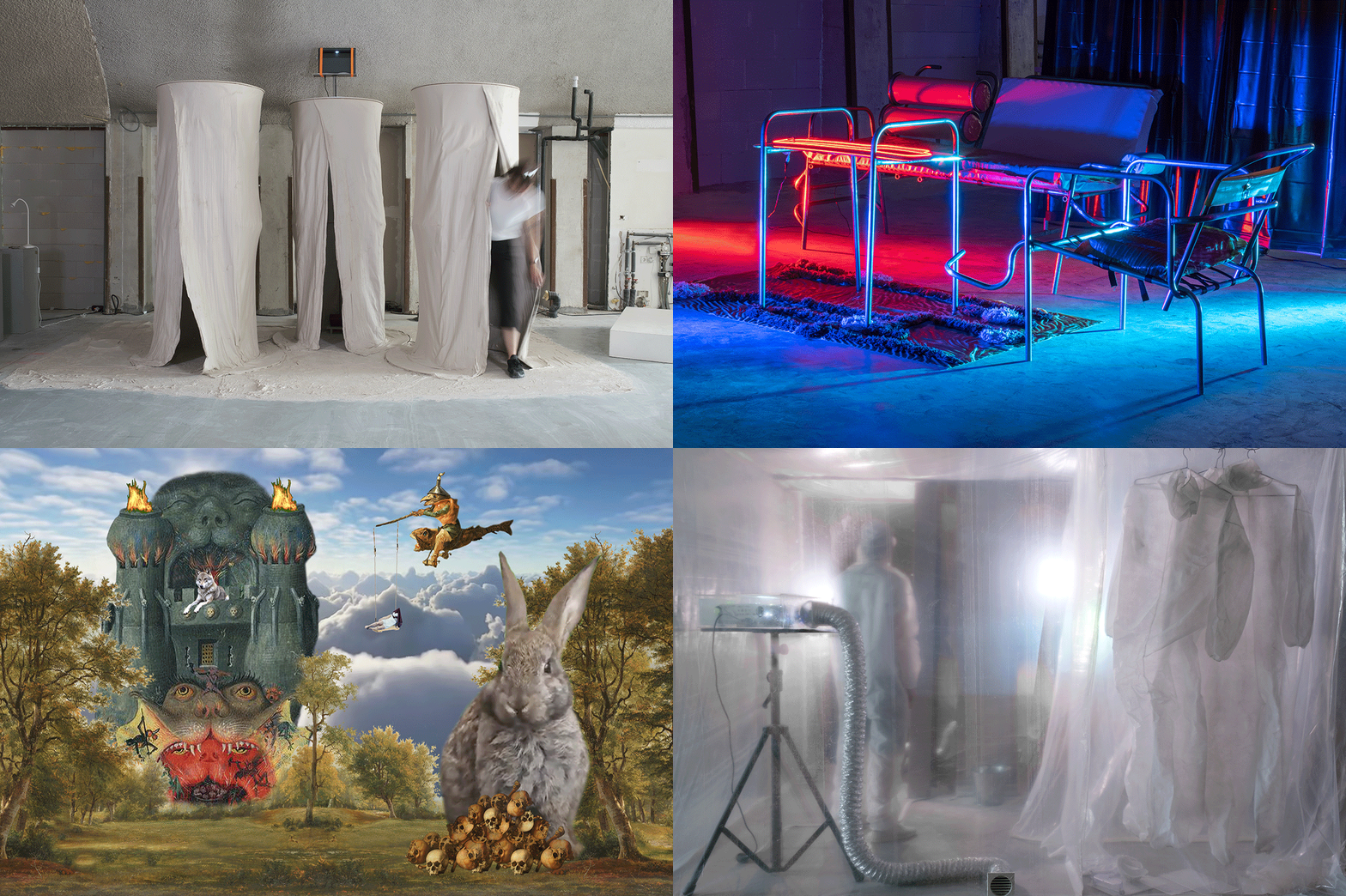
MIARD: Call for Applications 2022
Application deadline: March 16, apply here.Open Day online: February 12, visit here for details. MIARD is an international Master program with a focus on practice-led research. We teach our students to look beyond disciplinary norms with a critical, imaginative and multidisciplinary approach to their work to gain a better understanding of the complex issues surrounding their field of practice. Interior Architects […]
Workshop with Natasha Marie Llorens:
Secrets + Site-Writing: Social Spatial Strategies
THURSDAY WORKSHOPSecretsThursday, November 11th This lecture and text workshop will explore the conjunction of Trevor Paglens series of photographs and Nina Valerie Kolowratnik’s architectural notion system in the context of her book, The Language of Secret Proof. The workshop will think with Kolowratnik’s proposition for the experimental role architecture can play in decolonizing the discourse of space, as […]
Multiple Media
Lecture Series: DATA
Data can serve to understand our society, it makes the invisible visible and diffuses it.We can perceive data as a new material, which we can accept, reject or cope with?Can we imagine life without data? The Multiple Media lecture series 2021 is led by Daphne Heemkerk and Olivier Otten of studio High-Rise. They invite internationally noted […]
MIARD Talks 2021-22: Mark Wigley
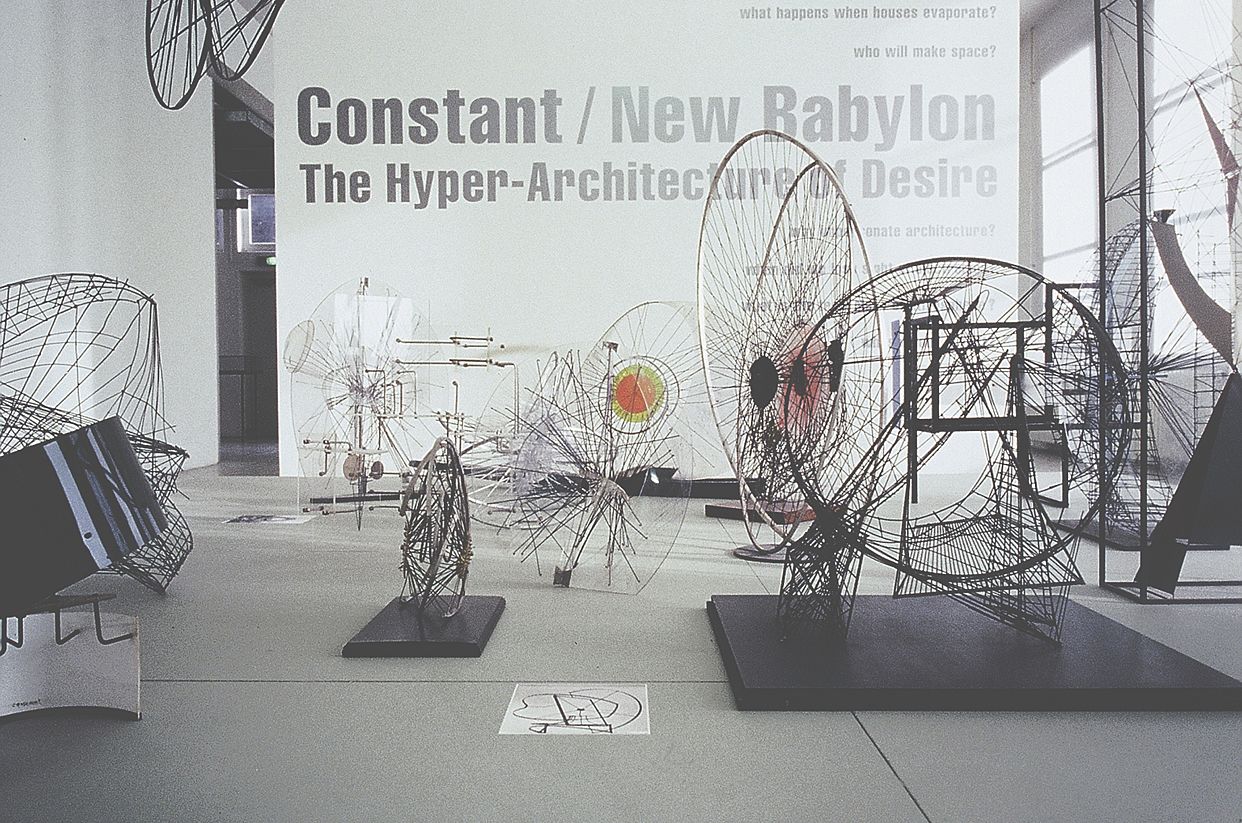
In a workshop with students of the Master Interior Architecture: Research + Design, Mark Wigley will discuss the contemporary relevance of Constant’s vision of networks – and the long life of the New Babylon project. The workshops are part of a larger program organized by Kunstinstituut Melly and Het Nieuwe Instituut. Kunstinstituut Melly and Het Nieuwe Instituut are proud […]
The In-Between MIARD’21 Graduate Exhibition
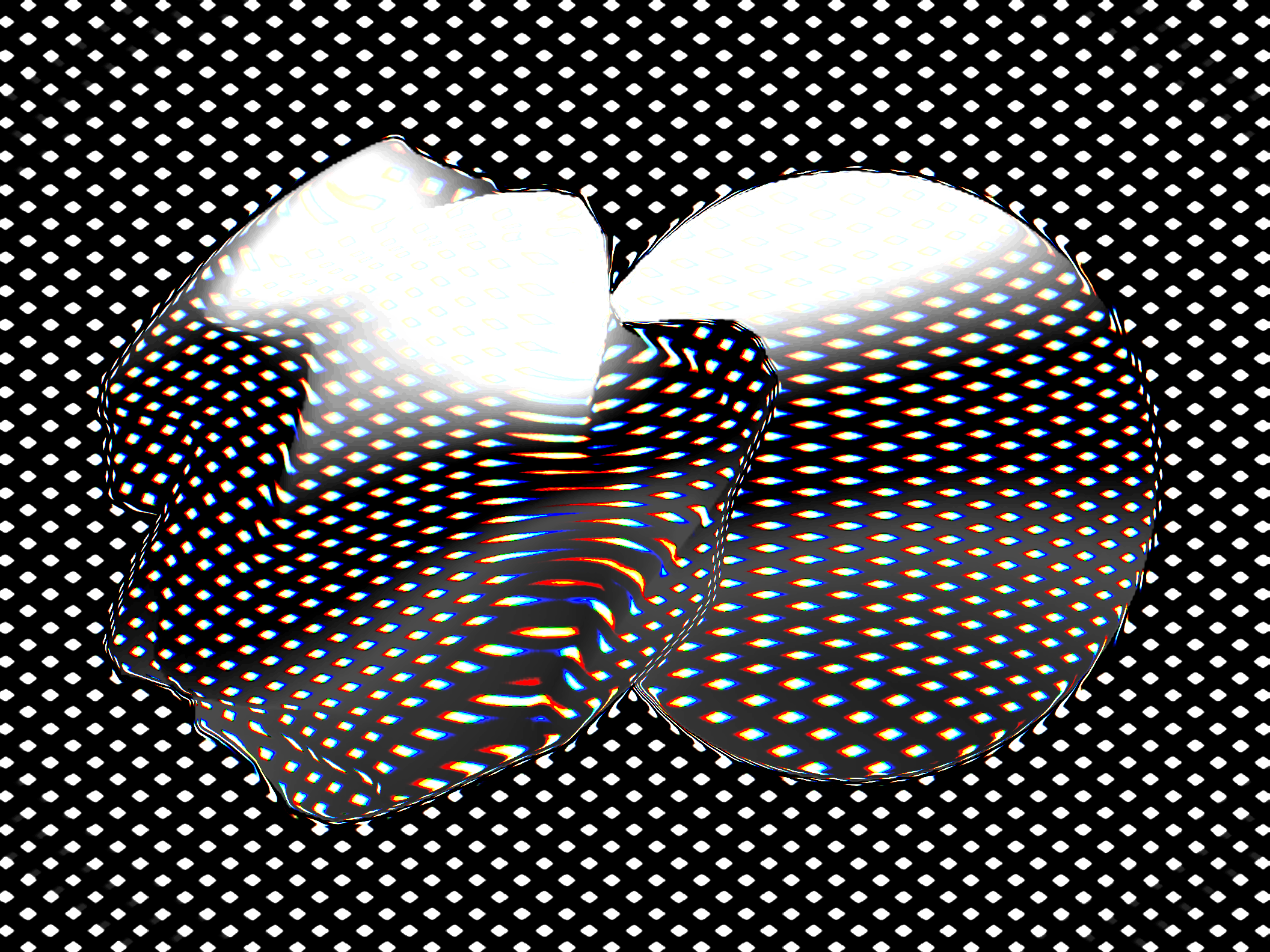
The In-BetweenMIARD’21 Graduate ExhibitionJuly 1–4, 2021 Opening: July 1, 7–10pm Piet Zwart Institute Master Interior Architecture: Research and DesignHofbogen, Raampoortstraat 303032 AH Rotterdamthe Netherlands miard.pzwart.nl Graduates: Angelo Ciccaglione, Eva Garibaldi, Noelle Ingeveldt, Katharina Kasinger, Leila El-Kayem, Nury Lee, Gavin O’Leary, Rachel Refael, Denisse Vega De Santiago, Milena Sekulic, Maria Weis The Master Interior Architecture: Research + […]
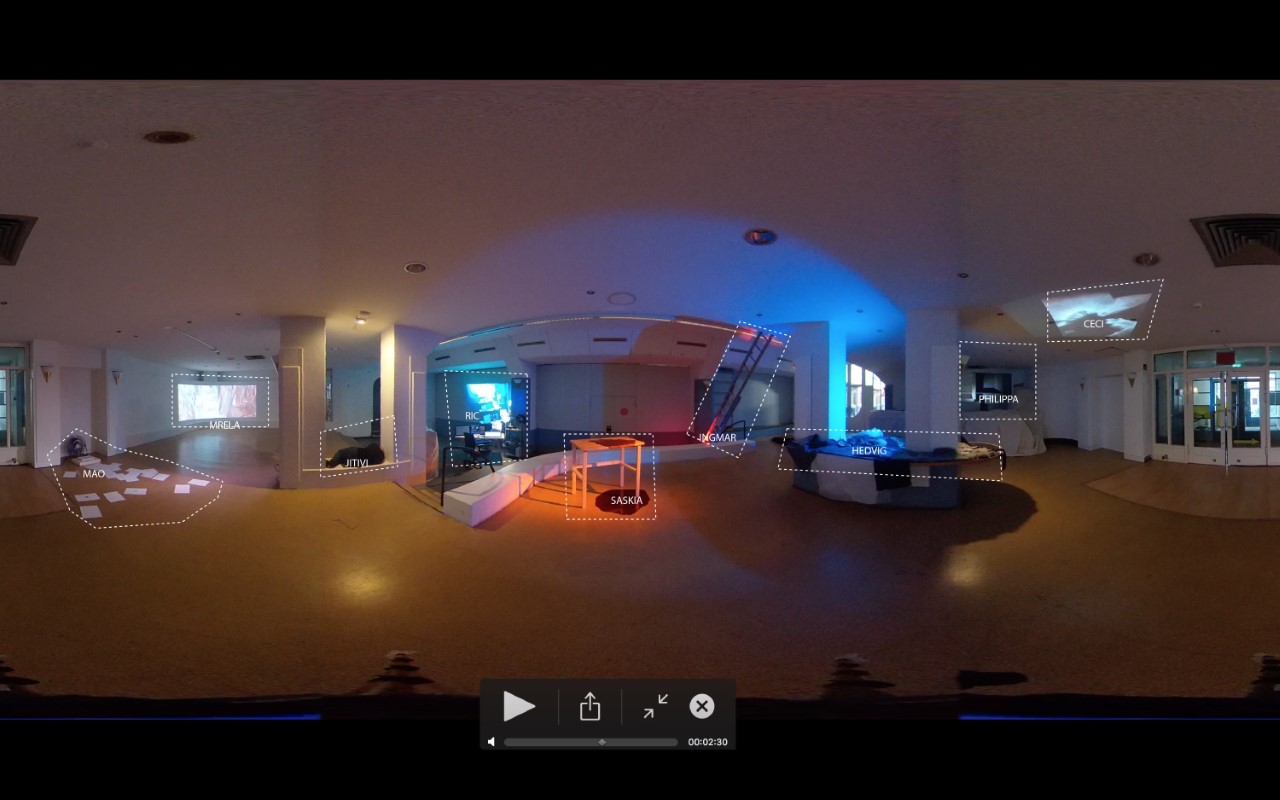
MIARD’20 Graduation
Visit the online exhibition here. Participating alumni: Mirela Atanassova, Jitivi Banthaisong, Saskia de Fabritiis, Ingmar König, Philippa Lorenzen, Hedvig Maria Koertz Mikkelsen, Rick Nemeye Van Wijk, Ceci Sariol, Mao Zhang Curated by: Golnar Abbasi and Natasha Marie Llorens The Master in Interior Architecture: Research + Design at the Piet Zwart Institute in Rotterdam is proud to present the work of nine of its 2020 graduates. The […]
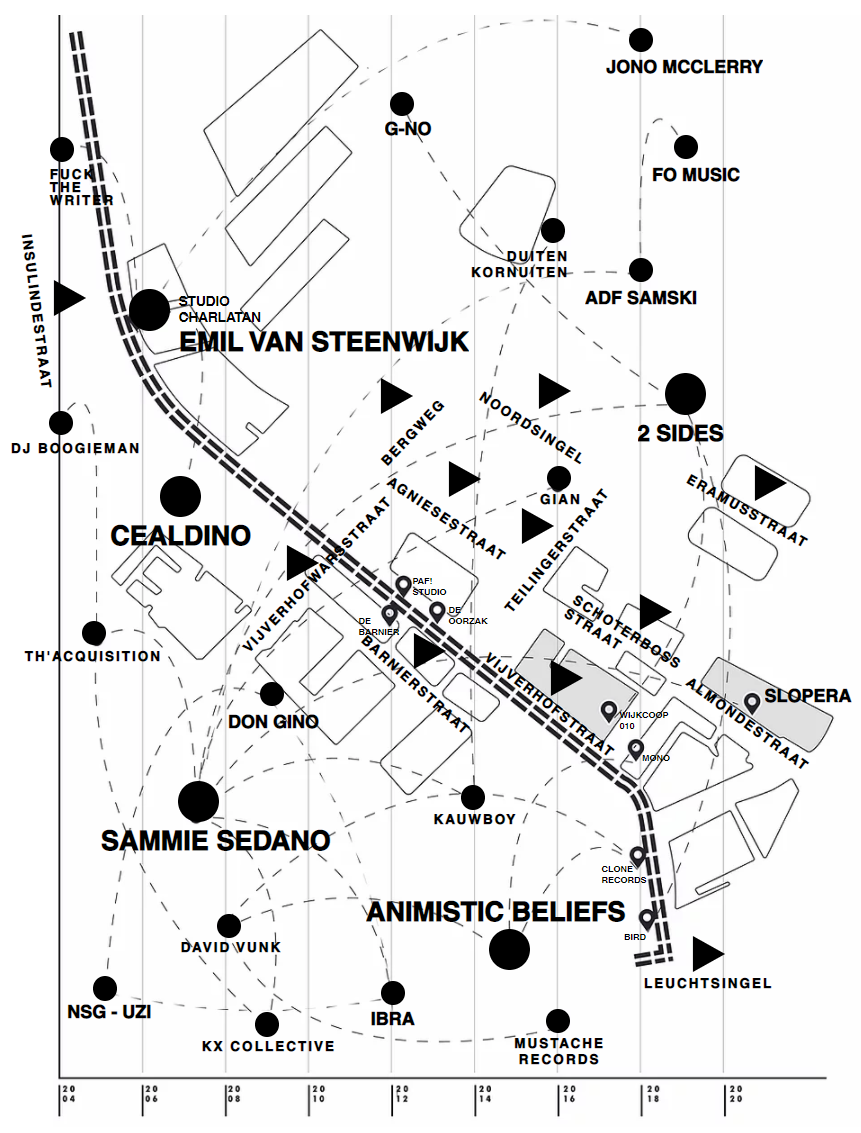
Exhibition: The Social Body at Atelier Hofbogen
Gentrification affects us all differently and the best strategy against excessive gentrification is the strengthening of the local communities. Students from the Master Interior Architecture: Research + Design program will present their proposals for a community center in the space of Atelier Hofbogen. The Hofbogen is an urban project in Rotterdam that will create a […]
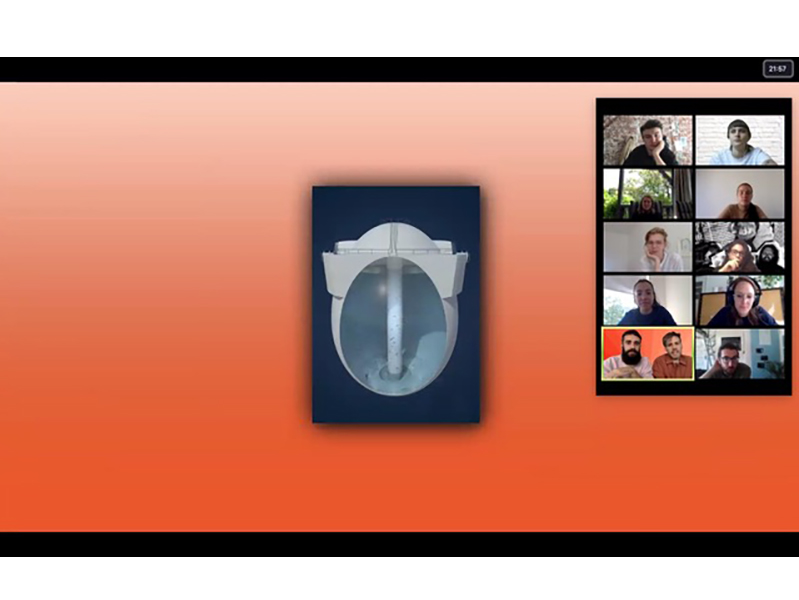
MIARD History and Theory Design Natures Symposium
On May 7, 2020, MIARD invited three leading practices – Formafantasma, Cooking Sections, and Counterspace – to take part in an online symposium with the first year students. Each of the three was asked to present a recent project, after which the students had the opportunity to engage in a conversation with them. The three […]

BLACK LIVES MATTER – PZI solidarity statement
We are seeing the world being potentially transformed by the massive popular resistance to racism and anti-black violence that has been prompted by recent displays of racist brutality. The master’s courses of the Piet Zwart Institute stand in support of movements for racial justice around the world and we hold ourselves accountable to address the […]